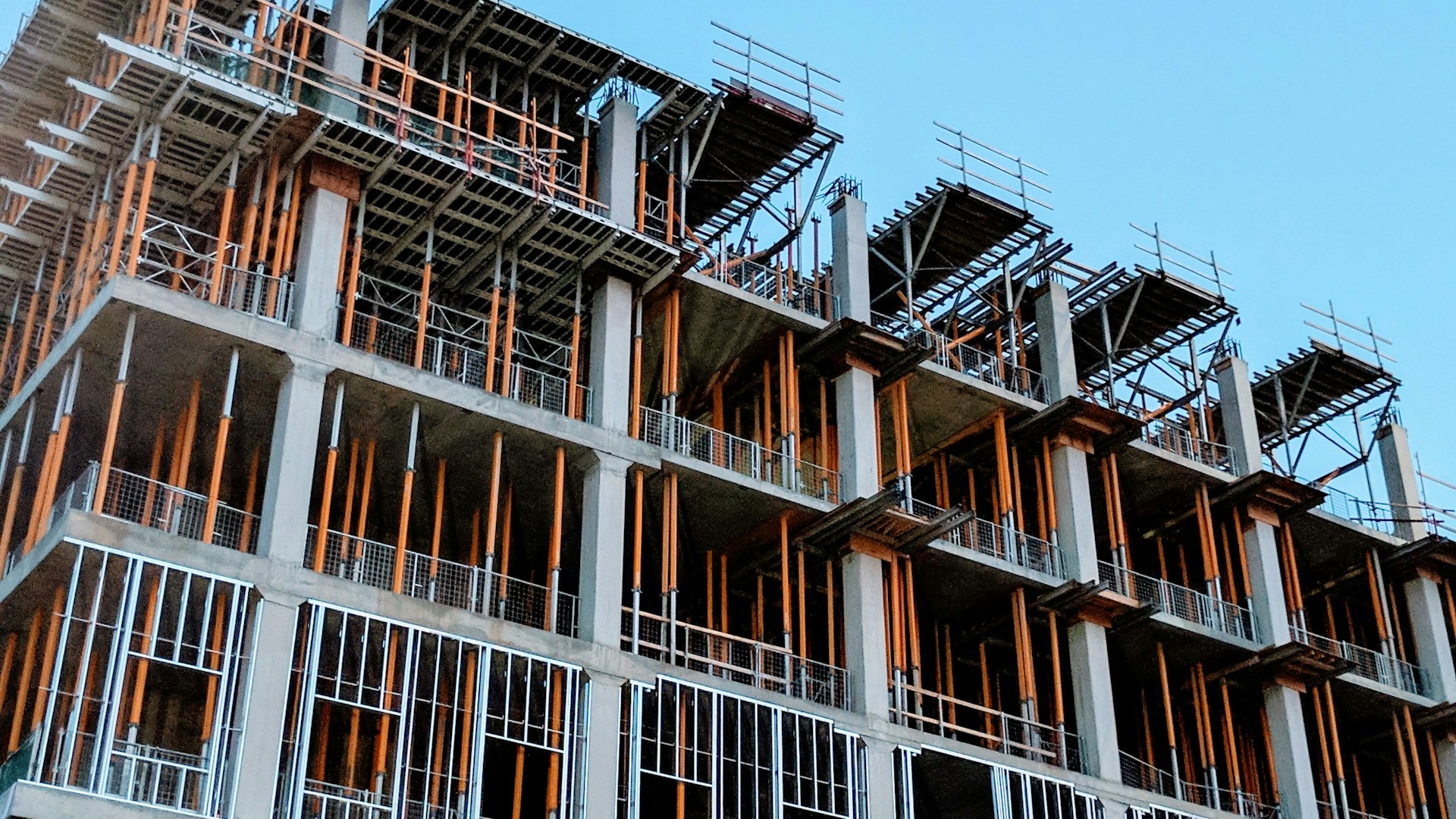

Welds face demanding high-temperature conditions
Heat-resistant steels are used in boilers, petrochemical furnaces and high-temperature piping. Over long service, welds may experience creep, oxidation and thermal fatigue, so consumables must provide more than adequate room-temperature strength.
Cr-Mo heat-resistant steels usually require preheat, interpass control and post-weld heat treatment. Consumable composition should match the base metal and design requirements without pushing strength so high that joint toughness falls.
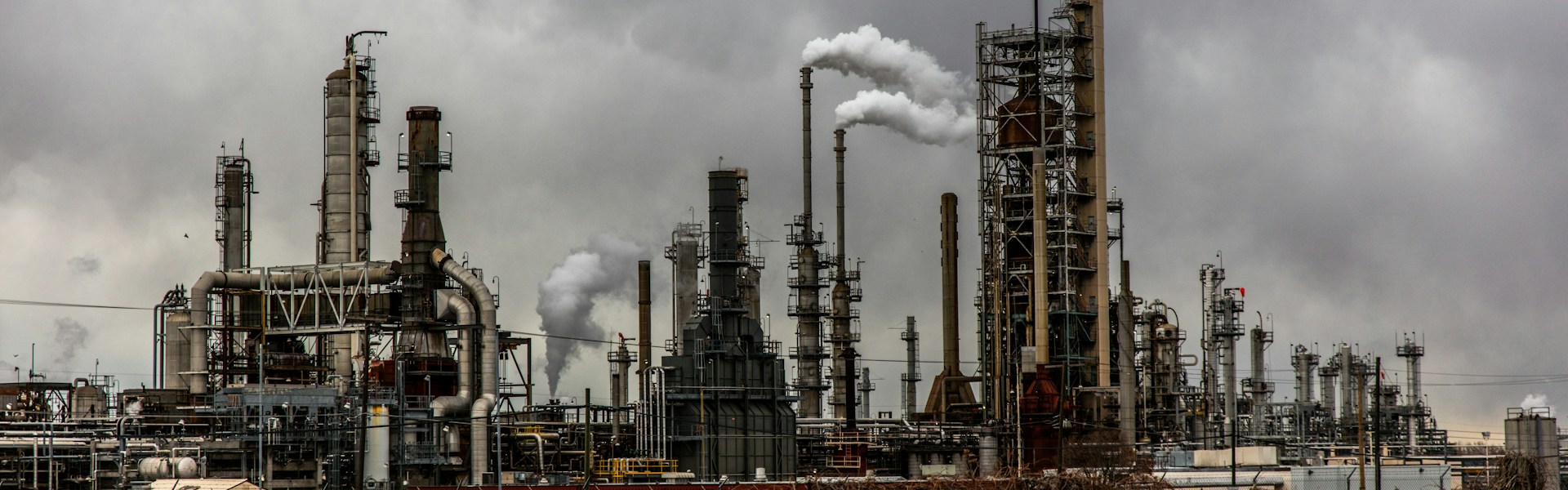
Heat treatment is a critical variable
Temperature, holding time and heating/cooling rates directly affect joint microstructure. For thick-wall components, control the temperature difference between inner and outer surfaces and allow residual stress to relax. Dissimilar joints also require attention to differences in thermal expansion.
Production records should link consumable verification, welding procedure qualification and heat-treatment data so every batch remains traceable.